The Mindset That Keeps Female Soccer Players at Their Peak
Staying at the top in women’s soccer takes far more than natural talent. Physical skill alone isn’t enough when constant travel and high-pressure games wear players down.
Maintaining peak performance season after season requires a different kind of discipline and planning.
What keeps some players consistent while others struggle to bounce back from setbacks?
How do elite female athletes manage stress, recovery, and hormonal cycles through long tournaments? What long-term choices protect their performance and extend their careers beyond just a few standout seasons?
The Mindset That Keeps Female Soccer Players at Their Peak
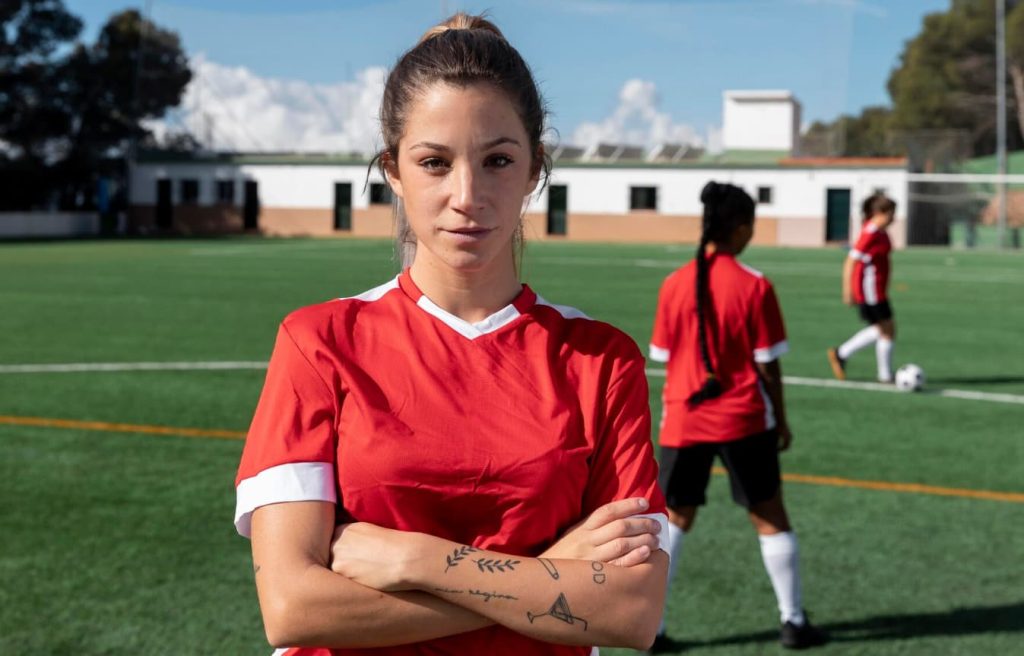
These are challenges every serious player must face sooner or later. This article explores the mindset shifts that keep female soccer players performing at their best.
Staying Focused Through Highs and Lows
Scoring a game-winning goal feels incredible, but tough losses hit harder.
Female soccer players must stay grounded through both wins and heartbreaking defeats. Focus allows them to grow from mistakes without damaging their confidence.
Reviewing match footage helps them separate emotional reactions from tactical improvement needs. Many use mental tools like journaling or meditation after intense matches or practices.
The New York Times notes that many sports clubs now recognize the benefits of having a psychologist on staff full-time.
This support helps players build mental resilience and improve focus during high-pressure situations. Encouraging open conversations around mental wellness has become part of a strong team culture.
Veteran teammates and coaching staff also offer emotional support during rough stretches. Setbacks become fuel for training instead of dragging down their momentum.
This balanced mindset keeps them mentally sharp across long, grueling seasons.
How do players mentally reset after travel delays?
Mental resets involve controlled breathing, quiet time, and detachment from competitive thinking during travel.
Players often use noise-canceling headphones or calming apps to mentally center themselves after disruptions.
These quick strategies help avoid stress buildup and restore focus before match readiness routines.
The Discipline Behind Consistent Training
Staying ready in soccer means showing up for practice in top form daily. Female players follow detailed routines to stay sharp through drills, scrimmages, and recovery.
Warmups, cooldowns, and injury prevention exercises are part of every session.
The U.S. Soccer Learning Center states that anterior cruciate ligament (ACL) injuries are one of the most common knee injuries among soccer players.
Around 250,000 ACL injuries occur each year in the United States, mostly from non-contact movements.
These injuries often sideline athletes for 6 to 12 months, with only 55% returning to competitive play.
Injury prevention programs can lower the likelihood of ACL injuries in female athletes by up to 45%.
Some adjust their intensity depending on where they are in their cycle. Training logs and GPS data help them monitor workload and avoid overtraining.
Coaches and athletic trainers guide adjustments without disrupting confidence or routines.
A stable training routine builds consistency in performance across matches and travel weeks. Confidence grows every time players finish a session without cutting corners.
That discipline becomes a foundation for trust, skill, and reliability on the field.
How do players stay disciplined during off-season breaks?
During off-seasons, players follow structured personal training and nutrition plans with minimal supervision. Many athletes use private coaches or group accountability to stay on track with physical conditioning.
Consistent off-season habits preserve performance standards and reduce injury risk when full training resumes.
Making Long-Term Choices That Support Career Longevity
Female soccer players must plan far beyond the next match to stay competitive. With demanding schedules and constant physical strain, proactive health decisions are key to long-term performance.
Hormonal balance plays a key role in managing energy, focus, and stamina.
Controlling menstrual cycles during training camps or tournaments becomes part of the overall performance strategy.
Some athletes turn to medical options like Depo-Provera to avoid cycle-related disruptions during critical match periods.
For those unfamiliar, Depo-Provera is a long-acting injectable contraceptive that suppresses ovulation for months. Some players choose it to avoid the unpredictability of cycles during busy seasons.
However, the benefits of the convenience of such options must be weighed against potential risks.
According to TruLaw, Depo-Provera has been linked to bone density loss in long-term users.
In soccer, reduced bone strength increases the chance of stress fractures and joint injuries. Even minor injuries may take longer to heal with weakened bone structure.
Several women have taken legal action against the drug’s manufacturer in recent years. Depo shot lawsuit claims that users weren’t adequately warned about the serious health risks involved.
For female athletes, these cases underscore the need for informed health decisions in long-term career planning.
How do menstrual cramps affect strength training routines?
Menstrual cramps can reduce core stability and increase fatigue during high-resistance movements. Coaches sometimes adjust strength routines by reducing load or modifying tempo to avoid strain. These cycle-aware changes protect performance quality without sacrificing long-term physical progression or athlete confidence.
Building Confidence Through Preparation
Confidence in soccer starts long before players step onto the field for kickoff. Many study past matches to analyze positioning, pressing, and defensive breakdowns. Visualization exercises help them prepare for corner kicks, one-on-ones, or penalty scenarios.
NIH mentions that mental imagery is widely used in sports to boost training and performance beyond physical drills.
Research shows mental practice can improve athletic performance and reduce anxiety in high-pressure moments. This makes visualization a powerful tool for building confidence and competitive consistency.
Watching opposing strikers or midfielders gives athletes insight into game-day habits. All of this preparation builds the kind of confidence that survives tense match situations. Players who train smartly feel more composed when crowds roar and stakes rise.
That belief carries into vocal leadership and tactical awareness during high-pressure minutes. Great players don’t just rely on instinct; they prepare with purpose and intention.
How do players use failure as preparation fuel?
Failures offer detailed insights into tactical missteps, timing issues, or communication breakdowns on the field.
Reviewing those moments becomes a resource rather than a regretful memory when approached constructively. Athletes who reflect with purpose use setbacks to refine confidence through practical learning.
Staying Connected to Purpose and Passion
It’s easy to feel pressure in a sport filled with rankings and expectations. Passion for soccer drives women players through extra workouts, travel days, and losses.
Many stay motivated by remembering their youth teams or hometown clubs. Some represent their communities or families, turning every match into something bigger.
That personal purpose helps them train hard, even during draining mid-season stretches. The meaning behind their effort makes long film sessions or drills feel worthwhile.
Verywell Mind highlights that players are often driven by both intrinsic and extrinsic motivation every season. Intrinsic motivation includes love for the game, personal growth, and pride in team contributions.
Extrinsic factors like national recognition, scholarships, or rewards can also boost long-term commitment. When both types of motivation align, players stay focused, resilient, and inspired through every stage.
Moreover, players who constantly remind themselves why they started tend to last longer in the game. That emotional connection often turns into leadership and inspiration for younger teammates.
How do community service projects support player motivation?
Community involvement reminds players that their platform extends beyond personal achievement or team goals.
Mentoring or charitable efforts create emotional fulfillment that strengthens long-term athletic purpose. Serving others builds perspective and reinforces why their role as an athlete truly matters.
Staying at the top in women’s soccer takes more than just physical skill and training. Mental strength, recovery strategies, and consistent routines help elite players stay sharp through every season.
Hormonal shifts and performance pressure are handled with intention, awareness, and long-term health in mind.
Many make informed medical decisions to support their performance and reduce avoidable setbacks.
Success also comes from loving the sport and committing to daily growth and progress. Even tough moments become learning opportunities when players stay focused on their goals.